Products & Services
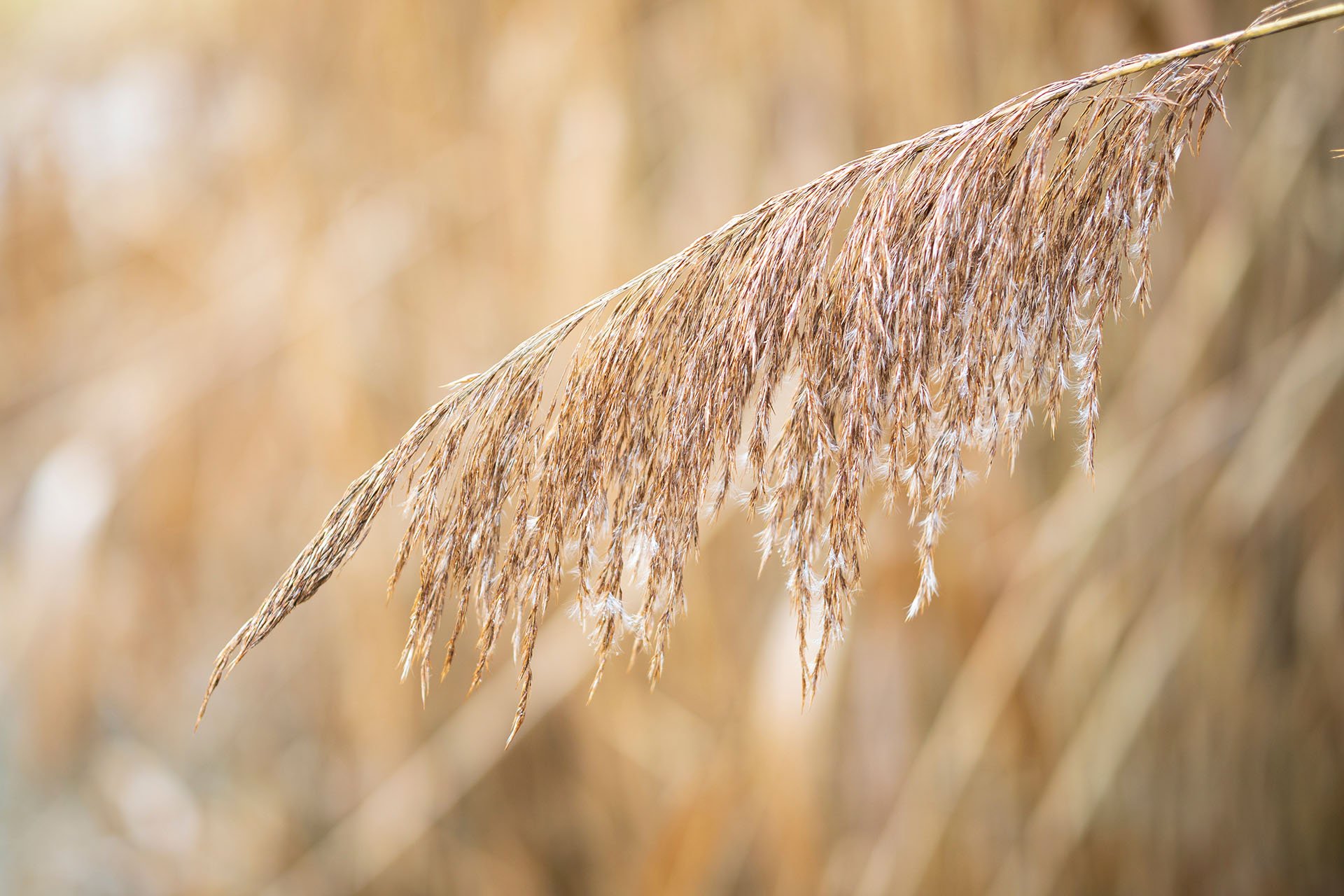
Common reed is an eco-friendly, sustainable material with versatile applications, historically more widely used in Finland.
We have an abundant supply of reed, and harvesting it helps reduce waterway eutrophication. Currently, most harvested reed is left to decompose, but our goal is to create an efficient, end-to-end value chain for utilizing reed to its fullest potential.
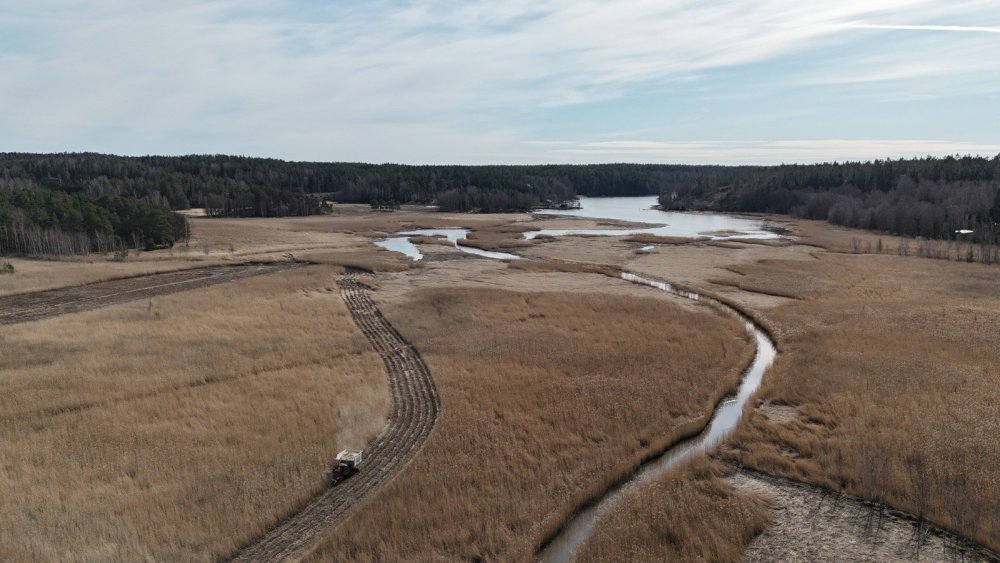
The timing and technique of harvesting are critical to its future use. While our primary focus for product development is on winter harvesting, we also provide summer harvesting services.
The potential of reed products and their positive environmental impact is immense. The journey has already begun—take a bold step with us toward a more sustainable future!
Winter harvesting is conducted on frozen water surfaces or snow-covered, frost-hardened ground. This method protects the waterbed and underwater ecosystems: reeds harvested in winter can even experience enhanced growth due to improved nutrient retention. Winter harvesting is an ideal choice for maintaining or enhancing biodiversity in certain areas.
When cutting is performed every 3–5 years, the reed beds remain healthy without overgrowth. By cutting annually for 8–10 years, winter harvesting can also help reduce the reed population in dense areas.
Winter is particularly suitable for cutting dense and hard-to-reach reed beds. Winter harvesting reduces the formation of peat from reed, slowing the transformation of water areas into land and improving water flow. Additionally, it helps to reduce methane emissions and odor issues.
Summer harvesting is the most effective method for reducing common reed growth. The best results are achieved by cutting twice a year: once in early summer before flowering and again in late summer. If only one cut is made annually, we recommend July or August, when the reed has absorbed the most nutrients.
Summer harvesting cuts below the water's surface, restricting oxygen to the reed’s root system and significantly slowing its growth. Consistent cutting over 3–4 consecutive years effectively reduces the reed population.
Summer harvesting is ideal for areas in active use, such as swimming beaches and boating channels. We can also cut paths through dense reed beds to enhance the area's bird habitat value, create spawning grounds for fish, and improve water circulation.
In spring, large amounts of reed debris often wash up on shorelines, torn up by the ice. It’s beneficial to remove this material from the water, as it releases nutrients back into the ecosystem, promoting eutrophication and degrading water quality. Uncollected reed waste can also disrupt water flow, while decomposing plant matter emits methane and creates unpleasant odors.
Reed removal is especially important in dense reed beds and areas where overgrowth control or improved water circulation is desired.
Don’t leave the reed lying around—contact us, and the environment will thank you.
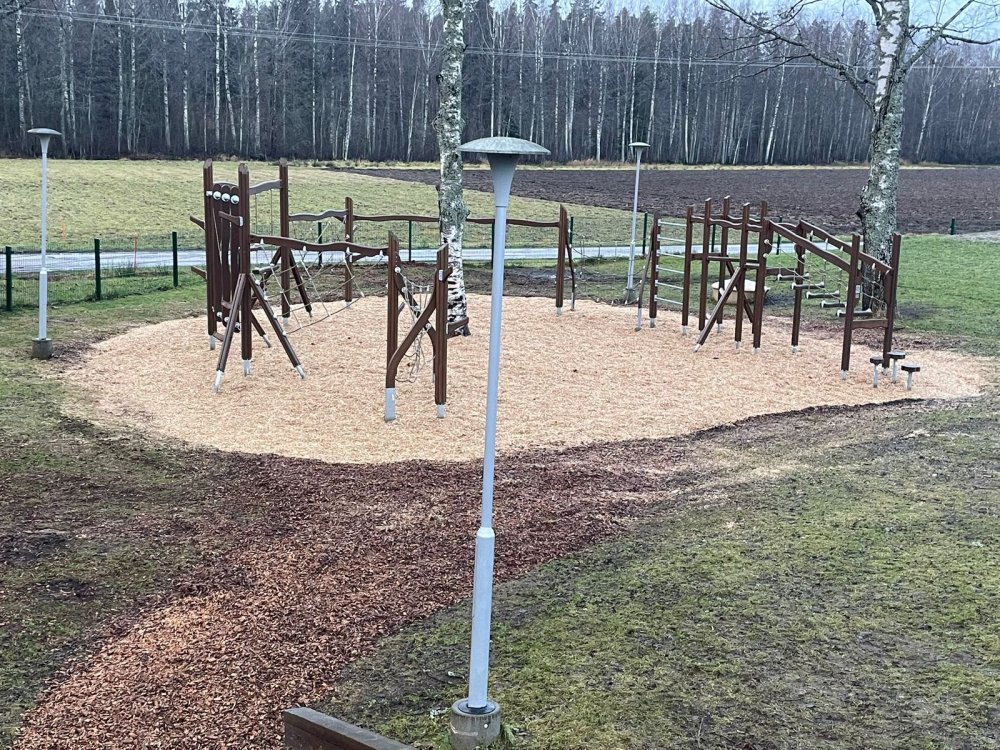
Natural protection for play – reed as safety surfacing for playgrounds
RuokoTurva® is proven to be an excellent impact-absorbing surface (HIC test results PDF, in Finnish). Reed is an ecological material that supports children’s connection with nature and exposes them to natural microbes, promoting health and well-being. Developed in collaboration with the Finnish Allergy, Skin and Asthma Federation.
A safety surface that protects and nurtures – naturally.


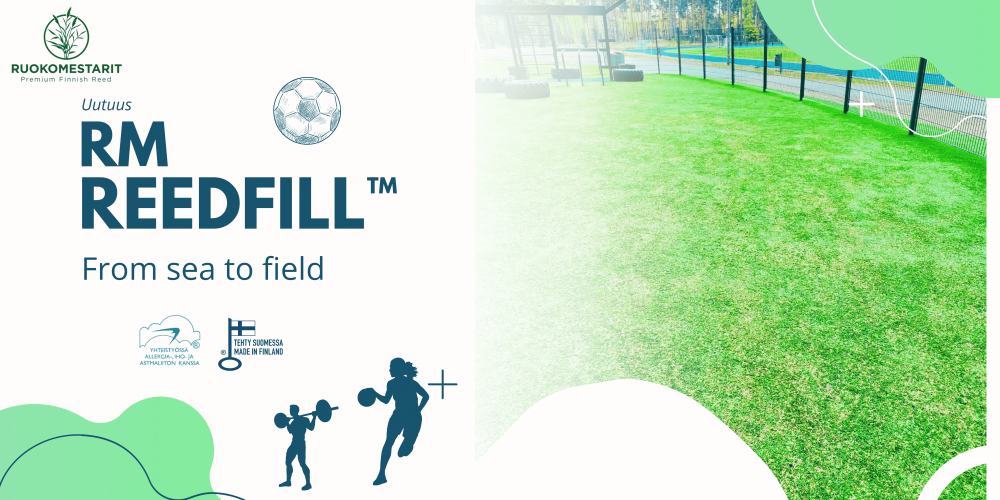
Nature’s Own Treasure for Artificial Turf
RM ReedFill™ is an infill material for artificial turf developed within the framework of the Ministry of Environment’s Ahti project, designed as a replacement for rubber-based infill materials. It is suitable for outdoor gyms, exercise areas, playgrounds and playing fields where official matches are not played.
RM ReedFill™ has been developed in cooperation with the Finnish Allergy, Skin and Asthma Federation.
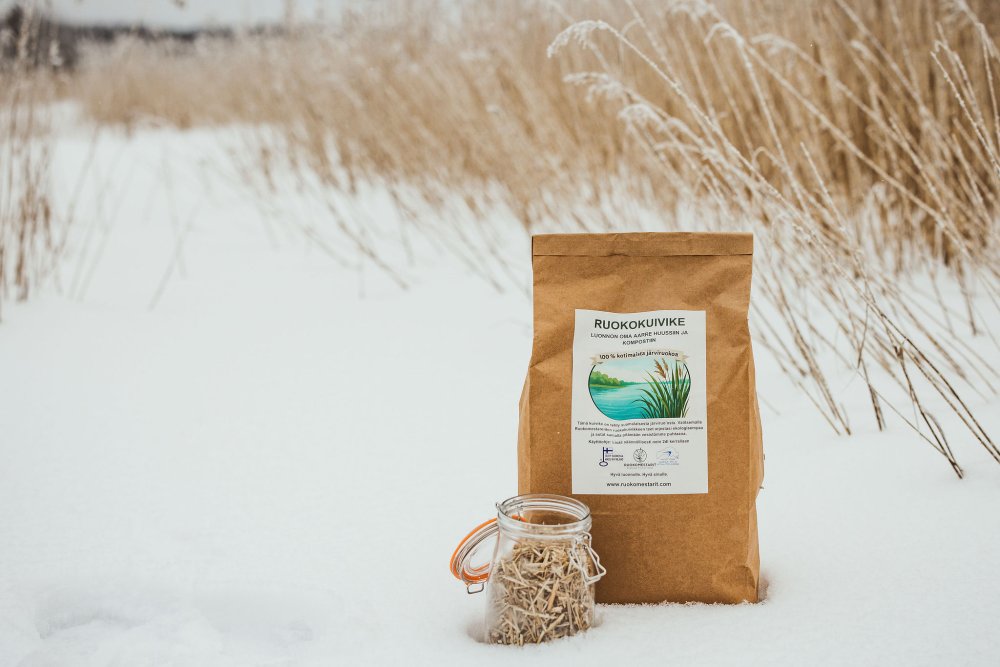
Nature’s Own Treasure for Your Outhouse and Compost
This high-quality bedding material is made from Finnish reed. By choosing Ruokomestarit’s reed bedding, you make your everyday life more ecological while helping to keep our waterways clean.
Instructions for use:
Add approximately 2 dl (about 1 cup) regularly after each use.
Nature's own treasure for your Garden
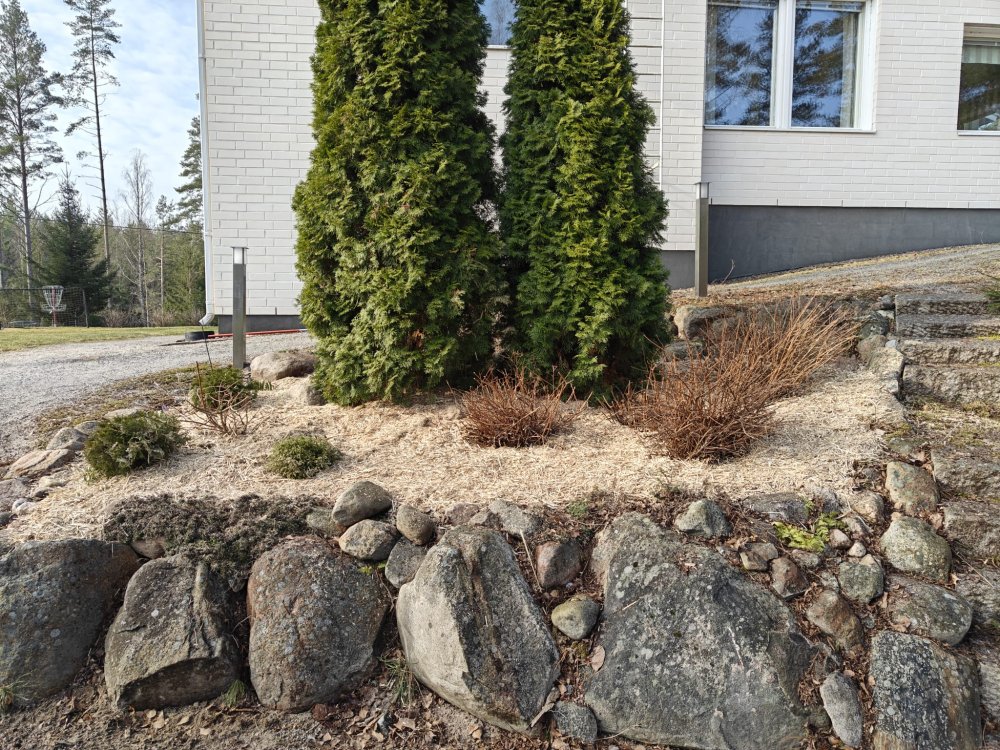
Natural and biodegradable mulch - effectively suppresses weed growth, retains soil moisture, and improves soil structure.
Instructions for use:
Spread a layer of mulch at least 10 cm (4 inches) thick around plants. Watering after application helps the mulch settle in place, but it is not essential.
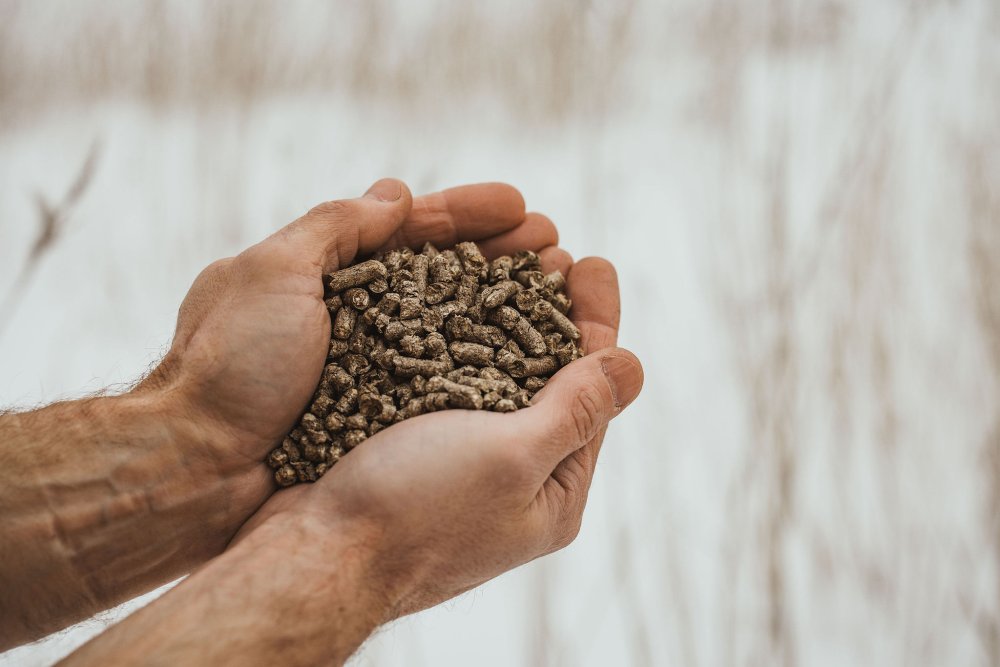
Reed pellets can be used, among other things, as bedding for horses, cats, and rabbits. They offer excellent absorbency and odor control. Dust levels are also low.
Reed pellets can also be used for heat production.
At our pelletizing facility, we produce 6 mm and 8 mm reed pellets and can scale up production to meet larger order volumes. The plant’s tested production capacity is approximately 1000 kg per hour.
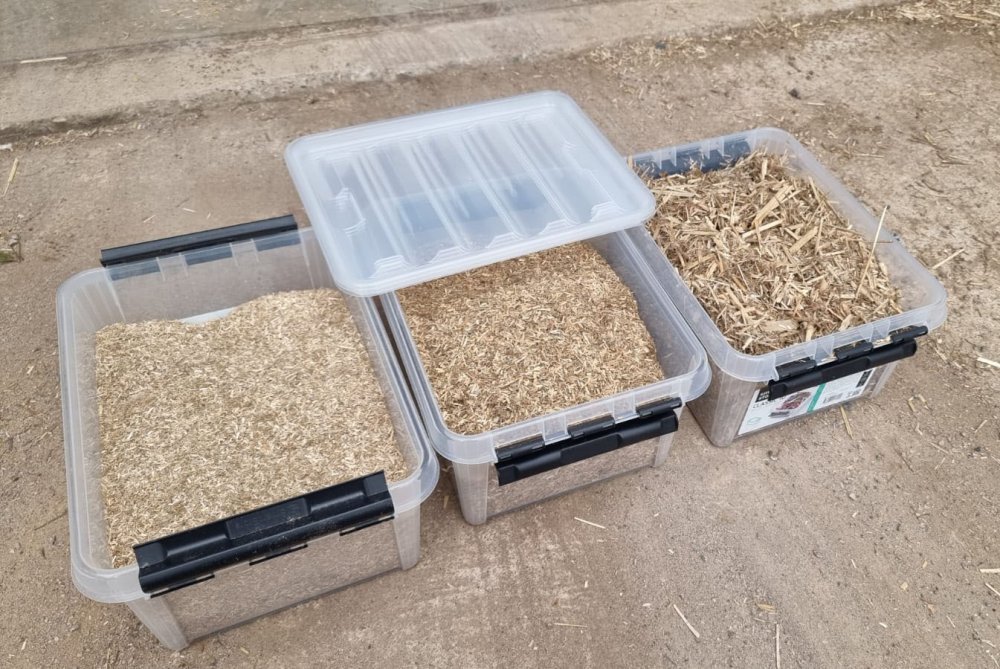
We produce reed chaff in various sizes to meet our customers' needs. Reed harvested in summer is nutrient-rich, making it ideal for soil improvement and as a growing medium. Winter reed is drier, so it is primarily used as animal bedding and fuel. Both summer and winter chaff are suitable as mulch material.
Reed chaff is also used in eco-friendly reed filters and as a building, interior, and craft material. Winter reed, with its higher carbon content, is being explored as a raw material for biochar production.
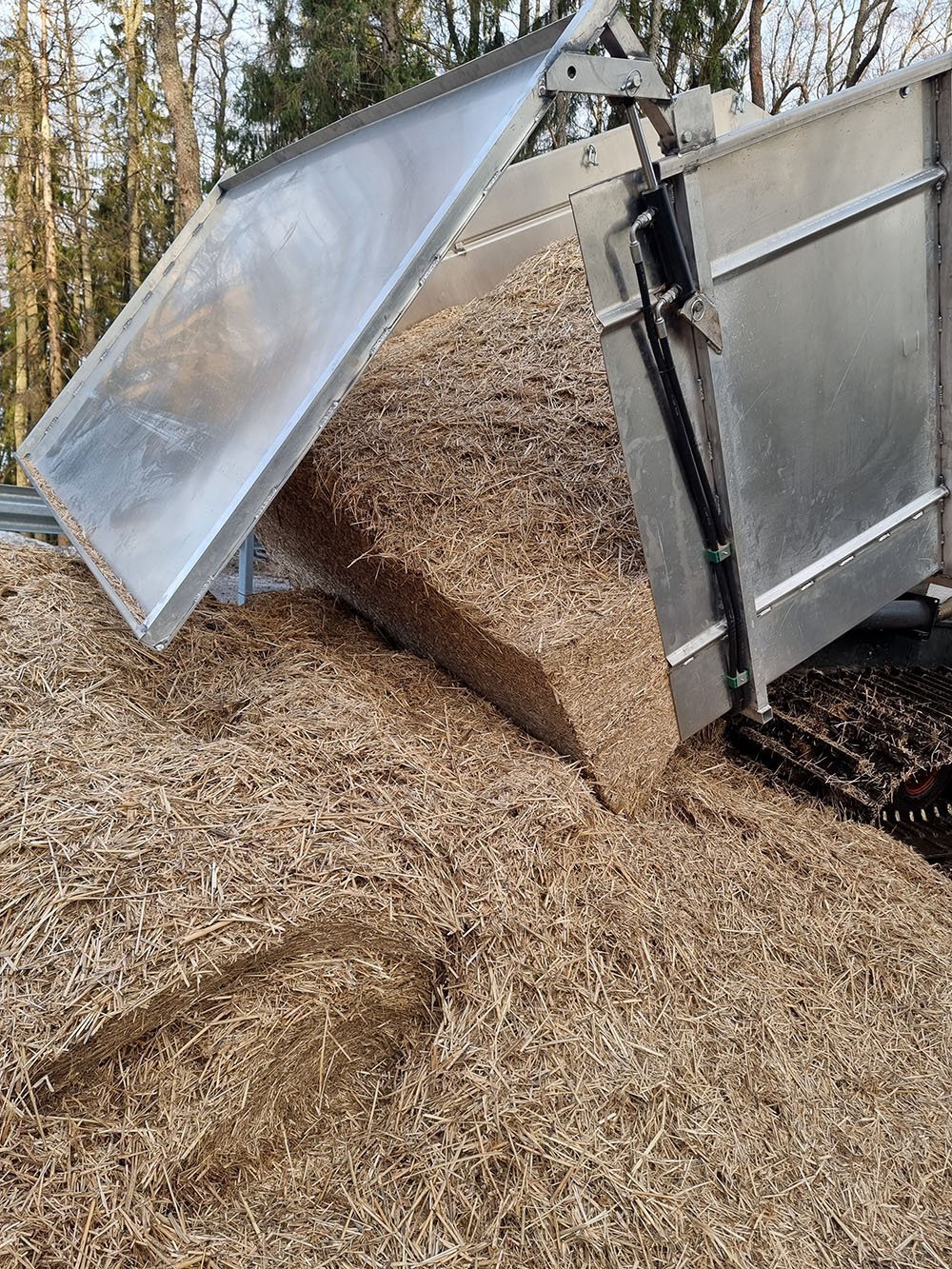
Our equipment includes a bundling harvester, which allows us to bundle reed as we cut. These bundles can be processed into roof thatch, straws, or various craft products. Reed has a long tradition as a roofing material, although its use in Finland nearly disappeared after the war years. However, reed roofs have remained popular in Central Europe, and in Finland, their appeal has been making a strong comeback over the past two decades.
Reed is highly resistant to moisture, and some of the oldest reed roofs in Finland are nearly a century old—although their typical lifespan is around 50 years. Alongside durability, this familiar water plant is also an effective thermal insulator.
The goal is to establish close collaboration with landowners, which enables large-scale cutting. This would create the conditions required to scale up volumes to an industrial level and develop long-term cooperation around which sustainable operations can be built. The key to operating in the reed market is continuity, as it ensures sustainability of the business. Additionally, it allows for the collection of data on new machine prototypes, logistics solutions, their synergy benefits, and product profitability. Some product examples include roofing and construction materials, reed pellets, and proprietary patented products.
If—and when—these solutions prove effective, they can be replicated and implemented across Finland and Europe.
The Ministry of the Environment plays an essential role in this process, providing financial support for our “Reed Chaff for Artificial Turf – From Sea to Field” project.